
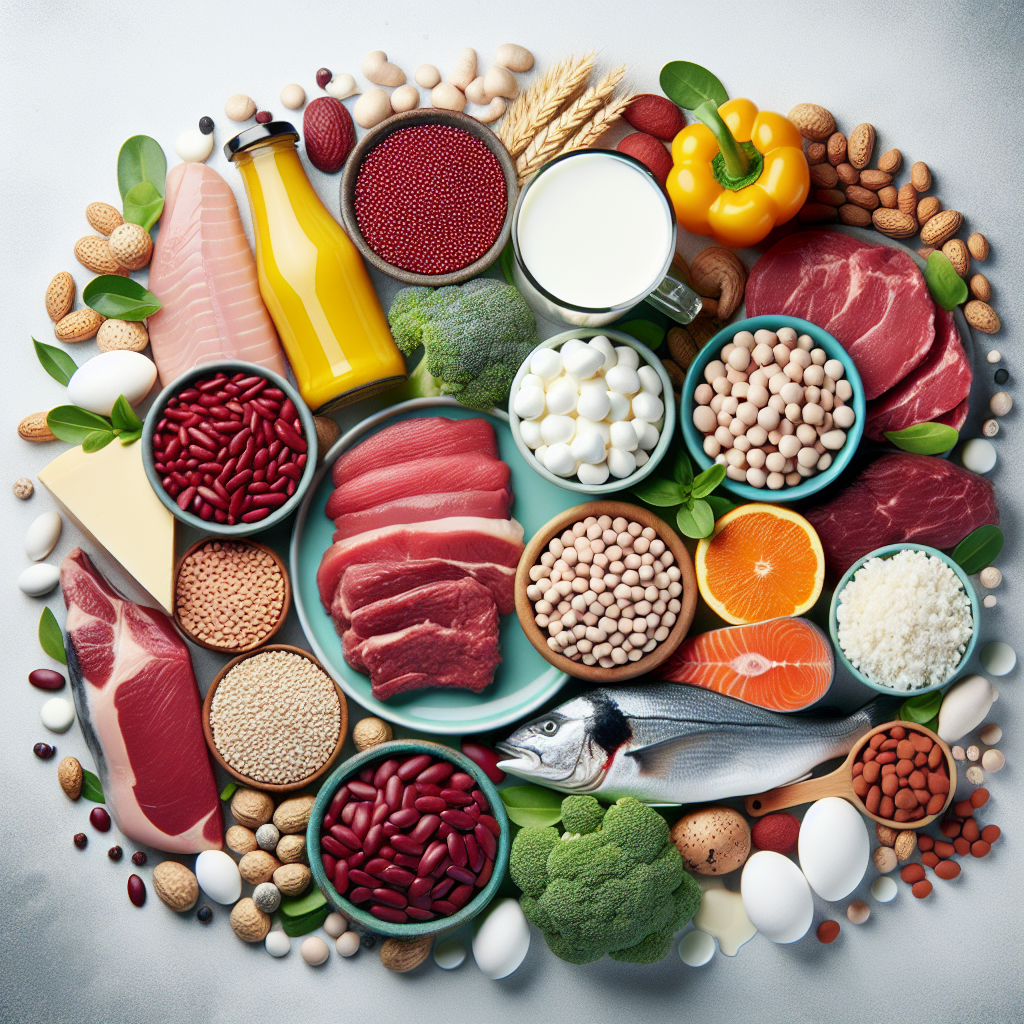
Looking to improve your overall health through nutrition? One key component of a balanced diet is protein, which is essential for building and repairing tissues, producing enzymes and hormones, and maintaining a healthy immune system. But with so many options out there, it can be overwhelming to figure out what the best sources of protein are for a healthy diet. In this article, we’ll explore some of the top sources of protein that can help you meet your nutritional needs and support a healthy lifestyle.
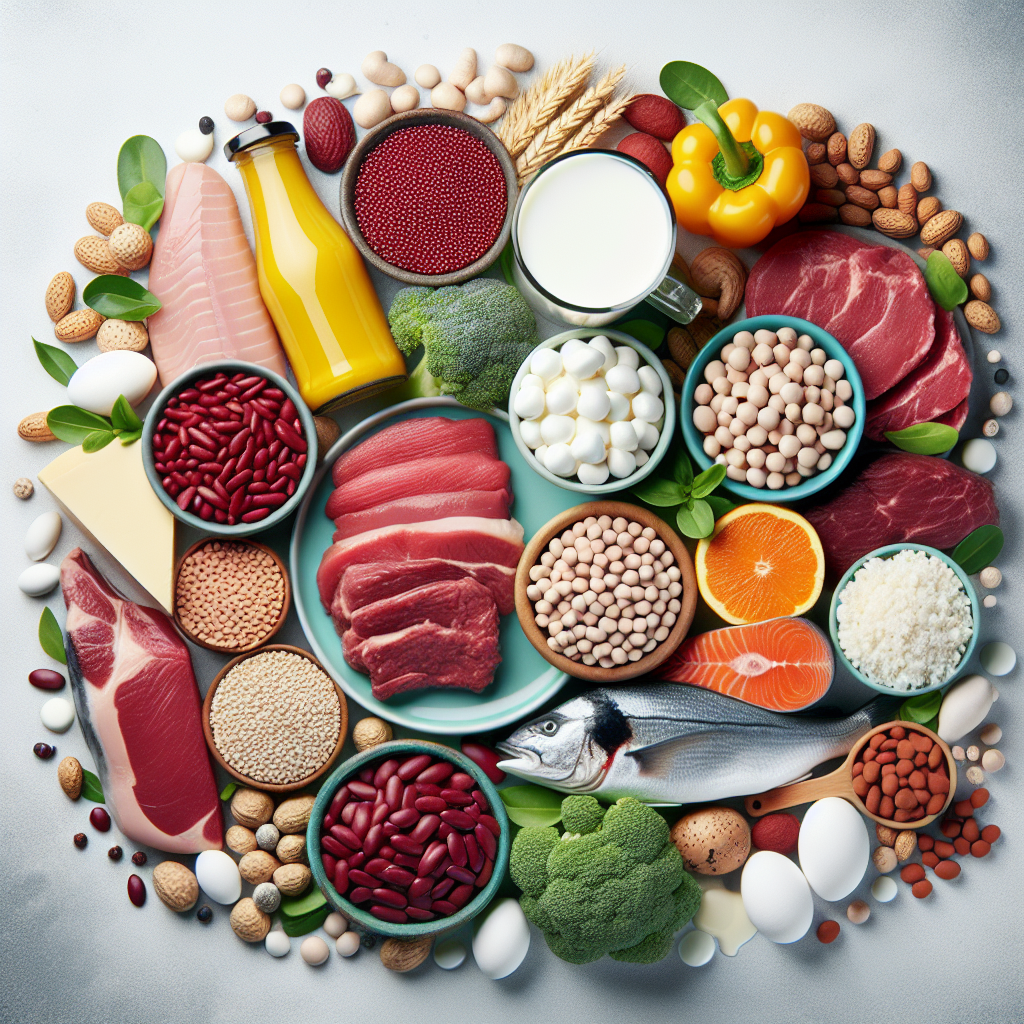
Animal-based protein sources
Lean meats
Lean meats, such as chicken breast, turkey breast, and lean cuts of beef, are excellent sources of protein. They are low in fat and provide essential amino acids that are necessary for muscle growth and repair. Lean meats can be grilled, baked, or sautéed to retain their nutritional value and make for a delicious and satisfying meal.
Poultry
Poultry, including chicken and turkey, is a popular choice for protein intake. Skinless, boneless chicken breasts are particularly lean and can be cooked in various ways, including grilling, roasting, or stir-frying. Turkey meat is also a lean option and can be used in sandwiches, salads, or as a substitute for other meats in recipes.
Seafood
Seafood, such as salmon, tuna, shrimp, cod, and sardines, is not only a good source of protein but also rich in omega-3 fatty acids. These fatty acids are beneficial for heart health and can help reduce inflammation in the body. Seafood can be prepared in numerous ways, including grilled, baked, or steamed, to retain its nutritional value and unique flavors.
Eggs
Eggs are a versatile protein source and can be enjoyed in various forms, such as omelets, scrambled eggs, or boiled eggs. They are rich in amino acids and provide essential vitamins and minerals. Contrary to popular belief, eggs can be a part of a healthy diet, even for individuals watching their cholesterol intake, as the cholesterol in eggs has minimal impact on blood cholesterol levels for most people.
Dairy products
Dairy products, like Greek yogurt, cottage cheese, milk, cheese, and skim milk powder, are not only rich in protein but also provide calcium and other essential nutrients. Greek yogurt and cottage cheese can be consumed as a snack or used in recipes, while milk and cheese can be incorporated into various dishes. Opting for low-fat or skim versions of dairy products can help keep the calorie and fat content in check while still fulfilling your protein requirements.
Plant-based protein sources
Legumes
Legumes, including lentils, chickpeas, black beans, kidney beans, and soybeans, are excellent plant-based sources of protein. They are also high in dietary fiber, which aids in digestion and helps promote feelings of fullness. Legumes can be cooked and added to soups, stews, salads, or used as a base for vegetarian dishes such as lentil burgers or chickpea curry.
Nuts and seeds
Nuts and seeds, such as almonds, peanuts, chia seeds, hemp seeds, and pumpkin seeds, are not only packed with protein but also provide healthy fats and various vitamins and minerals. They make for a convenient and nutrient-dense snack option or can be added to dishes like salads, smoothies, or homemade granola bars for an extra protein boost.
Quinoa
Quinoa is a gluten-free grain that is known for its high protein content. It is considered a complete protein as it contains all nine essential amino acids. Quinoa can be used as a base for grain bowls, added to salads, or used as a substitute for rice or couscous in various recipes.
Soy products
Soy products, such as tofu and tempeh, are popular plant-based protein sources. They are versatile and can be used in a variety of dishes, including stir-fries, salads, and plant-based meat substitutes. Soy products also provide other nutrients like iron and calcium, making them a valuable addition to a vegetarian or vegan diet.
Seitan
Seitan, also known as wheat meat or wheat gluten, is a protein-packed vegetarian option made from gluten. It has a texture similar to meat and can be flavored and cooked in various ways, making it a popular choice among individuals following a vegetarian or vegan diet. Seitan can be grilled, sautéed, or used as a meat substitute in dishes like stir-fries or sandwiches.
Protein-rich vegetables
Spinach
Spinach is not only a good source of iron and vitamins but also contains a decent amount of protein. It can be eaten raw in salads, added to smoothies, or cooked as a side dish or part of a main meal.
Broccoli
Broccoli is a nutrient-dense vegetable that provides a moderate amount of protein along with fiber, vitamins, and minerals. It can be steamed, roasted, or sautéed and used in a variety of dishes like stir-fries, salads, or soups.
Brussels sprouts
Brussels sprouts are a cruciferous vegetable packed with protein, fiber, and various vitamins and minerals. They can be roasted, steamed, or sautéed to enhance their flavors and enjoyed as a side dish or incorporated into main dishes.
Peas
Peas are a versatile vegetable that offers a good amount of protein, dietary fiber, and essential nutrients. They can be enjoyed on their own as a side dish, added to salads, soups, or stews, or even used as a base for dips and spreads.
Artichokes
Artichokes are a low-calorie vegetable that provides a decent amount of protein and dietary fiber. They can be boiled, steamed, or grilled and used in various dishes like salads, pasta, or as a topping for pizzas.
Alternative protein sources
Tempeh
Tempeh is a fermented soybean product that is high in protein and provides numerous health benefits. It can be marinated and grilled, sautéed, or used in stews, stir-fries, or sandwiches as a meat substitute.
Tofu
Tofu, also made from soybeans, is a versatile protein source that can be used in a variety of dishes. It can be stir-fried, grilled, baked, or even blended into smoothies to increase their protein content.
Hemp seeds
Hemp seeds are a rich source of protein, healthy fats, and essential fatty acids. They can be sprinkled over salads, added to smoothies, or used in baking recipes to boost the protein content.
Chia seeds
Chia seeds are tiny seeds that are packed with protein, dietary fiber, and omega-3 fatty acids. They can be soaked in liquid to create a gel-like consistency and used as a base for puddings, added to smoothies, or sprinkled over yogurt or oatmeal.
Spirulina
Spirulina is a blue-green algae that is dried and consumed as a dietary supplement. It is a complete protein and contains various vitamins and minerals. Spirulina can be added to smoothies, incorporated into energy bars, or taken in capsule form as a convenient protein-rich option.
Protein supplements
Whey protein
Whey protein is a popular choice among athletes and fitness enthusiasts due to its high protein content and rapid absorption rate. It is derived from milk and is rich in essential amino acids. Whey protein powder can be mixed with water, milk, or added to smoothies for a quick and convenient protein boost.
Casein protein
Casein protein is another milk-derived protein that is absorbed more slowly by the body than whey protein. It provides a sustained release of amino acids and is often consumed before bedtime or as part of a meal replacement shake.
Pea protein
Pea protein is a plant-based alternative to whey protein that is derived from yellow peas. It is easily digestible and suitable for individuals with lactose intolerance or those following a vegan or vegetarian diet. Pea protein powder can be added to smoothies, baked goods, or used in recipes as a protein supplement.
Brown rice protein
Brown rice protein is made from the whole grain and is an excellent option for individuals with allergies or sensitivities to dairy or soy. It is easily digestible and can be used as a protein supplement in shakes, smoothies, or added to baked goods.
Hemp protein
Hemp protein is derived from hemp seeds and is a plant-based protein option that also provides healthy fats and fiber. It has a slightly nutty flavor and can be added to smoothies, shakes, or used in baking recipes.
Protein from dairy products
Greek yogurt
Greek yogurt is a thick and creamy yogurt that is strained to remove excess liquid, resulting in a higher protein content compared to regular yogurt. It can be enjoyed on its own, added to smoothies, used as a topping for desserts, or used as a base for savory dips and dressings.
Cottage cheese
Cottage cheese is a low-fat cheese that is rich in protein and calcium. It can be eaten on its own, added to salads, used in recipes like lasagna or stuffed shells, or enjoyed as a healthy snack with fruit or vegetables.
Milk
Milk is a staple in many households and is a good source of protein, calcium, and other essential nutrients. It can be consumed on its own, used in recipes, added to coffee or tea, or incorporated into smoothies or shakes for an extra protein boost.
Cheese
Cheese is a delicious and versatile protein source that comes in various flavors and textures. It can be used in sandwiches, grated over pasta, added to salads, or enjoyed on its own as a snack.
Skim milk powder
Skim milk powder is a convenient and long-lasting option for increasing protein intake. It can be reconstituted with water to create a liquid milk or used in recipes like smoothies, baked goods, or added to hot beverages.
Protein from seafood
Salmon
Salmon is a fatty fish that is not only a great source of protein but also rich in omega-3 fatty acids. It can be grilled, baked, or broiled to retain its nutritional value and served as a main dish or added to salads or sandwiches.
Tuna
Tuna is a lean fish that is high in protein and low in fat. It can be enjoyed fresh, canned, or used in recipes like salads, sandwiches, or pasta dishes.
Shrimp
Shrimp is a low-calorie and protein-rich seafood option. It can be boiled, grilled, or sautéed and used in stir-fries, pasta dishes, or as a topping for salads.
Cod
Cod is a mild white fish that is low in fat and high in protein. It can be baked, broiled, or grilled and used in various seafood dishes or enjoyed with a side of vegetables.
Sardines
Sardines are a small, oily fish that is packed with protein, omega-3 fatty acids, and other essential nutrients. They can be enjoyed fresh, canned, or used in recipes like salads, pasta dishes, or as a topping for pizzas.
Protein from legumes
Lentils
Lentils are a nutritious and versatile plant-based protein source. They come in various colors and can be used in soups, stews, or even as a meat substitute in dishes like lentil burgers or meatless meatballs.
Chickpeas
Chickpeas, also known as garbanzo beans, are a staple in many cuisines and are a good source of protein and dietary fiber. They can be used in recipes like hummus, salads, or roasted for a crunchy snack.
Black beans
Black beans are a versatile legume that is commonly used in Latin American cuisine. They can be enjoyed in soups, stews, salads, or used as a base for vegetarian dishes like black bean tacos or enchiladas.
Kidney beans
Kidney beans are a popular choice for chili recipes and are a good source of protein, dietary fiber, and various vitamins and minerals. They can be used in soups, stews, salads, or mixed with rice for a satisfying meal.
Soybeans
Soybeans, also known as edamame, are a complete protein and provide essential amino acids. They can be boiled, steamed, or roasted and enjoyed as a snack, added to salads, or used in stir-fries and other Asian-inspired dishes.
Protein from nuts and seeds
Almonds
Almonds are a nutrient-dense nut that is rich in protein, healthy fats, and various vitamins and minerals. They can be enjoyed on their own as a snack, added to salads, used as a topping for yogurt or oatmeal, or made into almond butter.
Peanuts
Peanuts are a popular and affordable nut that is an excellent source of protein and healthy fats. They can be enjoyed on their own, used in recipes like peanut butter or trail mix, or added as a topping for salads or stir-fries.
Chia seeds
Chia seeds are small but mighty seeds that are packed with protein, dietary fiber, and omega-3 fatty acids. They can be soaked in liquid to create a gel-like consistency and used as a thickening agent in recipes, added to smoothies, or sprinkled over yogurt or oatmeal.
Hemp seeds
Hemp seeds are an excellent plant-based protein source that also provides healthy fats and fiber. They have a slightly nutty flavor and can be sprinkled over salads, added to smoothies, or used in baking recipes.
Pumpkin seeds
Pumpkin seeds, also known as pepitas, are rich in protein, healthy fats, and various minerals. They can be roasted, added to salads or trail mix, used as a topping for soups or oatmeal, or even made into pumpkin seed butter.
Protein from grains
Quinoa
Quinoa is a gluten-free grain that is known for its high protein content and versatility. It can be used as a base for grain bowls, added to salads, or used as a substitute for rice or couscous in various recipes.
Brown rice
Brown rice is a whole grain that is higher in protein and fiber compared to white rice. It can be used as a side dish, added to stir-fries or salads, or used in recipes like stuffed peppers or casseroles.
Oats
Oats are a nutritious whole grain that is not only high in fiber but also provides a decent amount of protein. They can be enjoyed as oatmeal, used in baking recipes, or added to smoothies for an extra protein boost.
Barley
Barley is a versatile grain that can be added to soups, stews, salads, or used as a base for grain bowls. It is a good source of protein, dietary fiber, and various vitamins and minerals.
Buckwheat
Buckwheat is a gluten-free grain that is rich in protein and provides essential amino acids. It can be used as a substitute for flour in baking, added to salads or granola, or used as a base for porridge.
Related posts:
 What are healthy fats and how can they benefit my diet?
 What are simple ways to reduce sugar in my diet?
 SeriSkin Unveiled Review: Revolutionizing Age Reversal with the Power of Youth Protein
 Puravive Review Revealed: How This New Supplement Is Changing the Game in Healthy Weight Management
 What’s The Best Diet For My Fitness Goals?
 What is the appropriate calorie intake for maintaining my weight?




No comment yet, add your voice below!