

Are you eager to boost your overall health through nutrition but unsure of how to ensure you’re getting enough vitamins and minerals? These common questions address the key components of a balanced diet, such as calorie intake, protein sources, and the significance of vitamins and minerals. They also delve into the benefits of incorporating healthy fats and dietary fiber, as well as the differences between organic and non-organic foods. Additionally, they tackle practical concerns like making healthy choices while dining out, staying hydrated, and reducing sugar consumption. By seeking nutrition education and making informed dietary choices, you can lay a solid foundation for a healthy lifestyle. So, how can you ensure you’re getting enough vitamins and minerals?
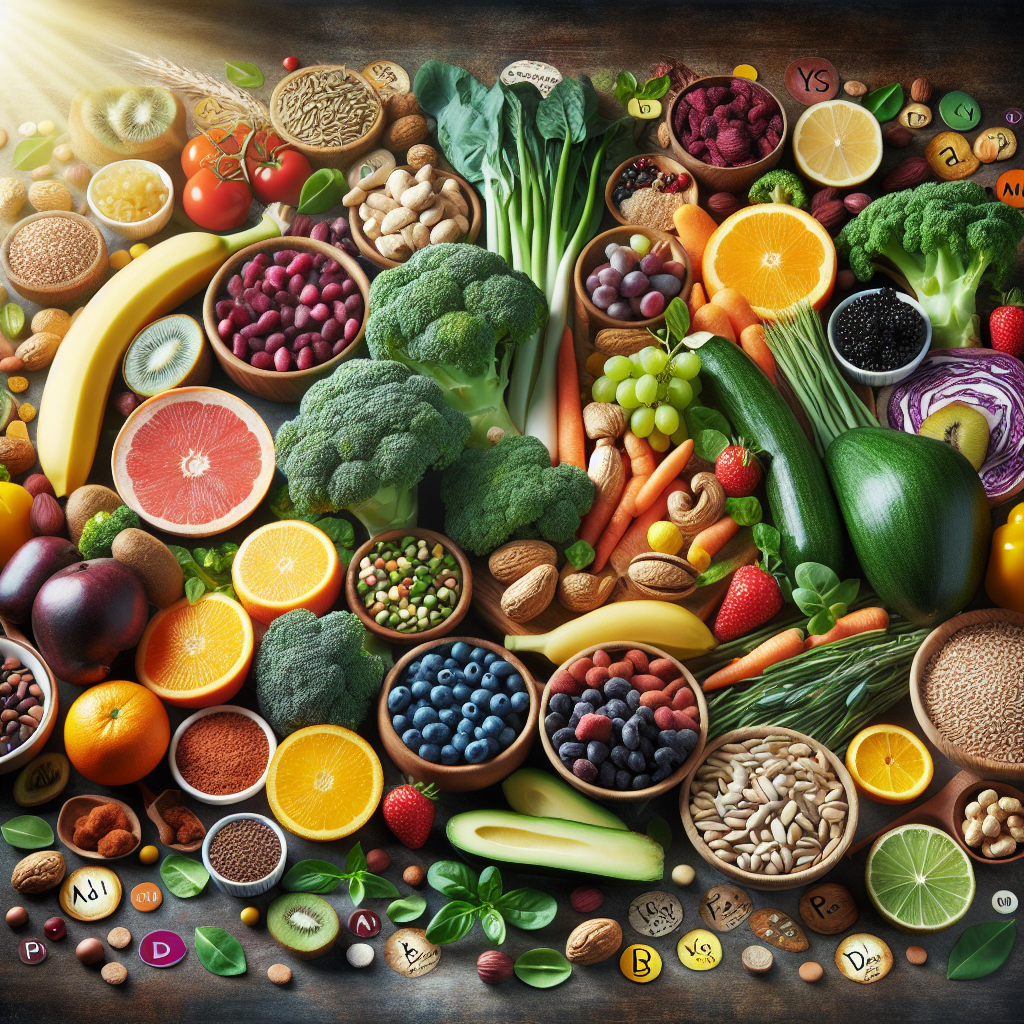
Importance of vitamins and minerals
Why are vitamins and minerals important for our health?
Vitamins and minerals play a crucial role in maintaining our overall health and well-being. They are essential nutrients that our bodies need in order to function properly.
Vitamins are organic compounds that are needed in small quantities and are responsible for various bodily functions including growth, development, metabolism, and immune system support. They act as cofactors for enzymes, aiding in the conversion of food into energy, promoting the production of collagen for healthy skin, and helping with the absorption and utilization of other nutrients.
Minerals, on the other hand, are inorganic substances that are required in smaller amounts compared to macronutrients like carbohydrates, proteins, and fats. They play a vital role in numerous physiological processes such as building strong bones, regulating fluid balance, maintaining nerve function, and supporting the immune system.
How do vitamins and minerals contribute to overall well-being?
The presence of adequate vitamins and minerals in our diet contributes significantly to our overall well-being. Here are some ways they impact our health:
-
Energy production: B vitamins, such as thiamine, riboflavin, and niacin, are essential for converting carbohydrates, fats, and proteins from our diet into usable energy.
-
Immune system support: Vitamin C, vitamin D, and zinc are known for their immune-boosting properties, helping to fight off infections and promote the healthy functioning of the immune system.
-
Bone health: Calcium, magnesium, and vitamin D are crucial for maintaining strong bones and preventing conditions like osteoporosis.
-
Brain function: B vitamins, particularly folate, vitamin B6, and vitamin B12, play a vital role in brain health and cognitive function.
-
Skin health: Vitamins A, C, and E, along with minerals like zinc and selenium, support the health and appearance of our skin by protecting it from damage, promoting collagen production, and reducing inflammation.
-
Heart health: Certain vitamins, including vitamin E and vitamin K, contribute to cardiovascular health by reducing oxidative stress and promoting proper blood clotting.
Overall, ensuring an adequate intake of vitamins and minerals through a balanced diet is crucial for maintaining optimal health and preventing nutrient deficiencies.
Identifying vitamin and mineral deficiencies
Signs of vitamin and mineral deficiencies
Recognizing the signs of vitamin and mineral deficiencies is essential for addressing any nutritional gaps and maintaining good health. Here are some common signs that indicate a potential deficiency:
-
Fatigue and weakness: Feeling constantly tired and experiencing low energy levels can be a sign of various deficiencies, such as iron, vitamin B12, and magnesium.
-
Weak immune system: Frequent illnesses and infections can indicate a compromised immune system, which may be due to deficiencies in vitamins C, D, and zinc.
-
Poor wound healing: Slow healing of wounds, sores, or bruises can be a sign of deficiencies in vitamins A, C, and zinc.
-
Brittle hair and nails: Dry, brittle hair and weak nails may be a result of inadequate vitamin A, biotin, or iron.
-
Muscle cramps and spasms: Muscle cramps or spasms can occur due to imbalances in minerals like magnesium, potassium, and calcium.
It’s important to note that these symptoms may vary depending on the specific vitamin or mineral deficiency. Consulting a healthcare professional and getting proper blood tests can help identify any deficiencies and guide appropriate treatment.
Common deficiencies and their symptoms
Several vitamins and minerals are commonly associated with deficiencies. Here are some of the most prevalent deficiencies and their corresponding symptoms:
-
Iron deficiency: Fatigue, weakness, pale skin, shortness of breath, and decreased immune function are common symptoms of iron deficiency.
-
Vitamin D deficiency: Fatigue, bone pain, frequent infections or illnesses, muscle weakness, and mood changes can occur with vitamin D deficiency.
-
Vitamin B12 deficiency: Fatigue, weakness, tingling or numbness in hands and feet, difficulty concentrating, and mood changes are typical symptoms of a vitamin B12 deficiency.
-
Calcium deficiency: Muscle cramps, weak or brittle bones, frequent fractures, and delayed growth and development in children can be signs of calcium deficiency.
-
Vitamin C deficiency: Fatigue, frequent infections, slow wound healing, bleeding gums, and dry, rough skin are common symptoms of vitamin C deficiency.
-
Zinc deficiency: Hair loss, poor wound healing, frequent infections, loss of appetite, and skin rashes can indicate a zinc deficiency.
It’s important to address any deficiencies by incorporating foods rich in the specific nutrient or considering supplements under the guidance of a healthcare professional.
Recommended daily intake of vitamins and minerals
Understanding Recommended Daily Allowances (RDAs)
Recommended Daily Allowances (RDAs) are guidelines established by regulatory and health authorities to provide a standard for adequate nutrient intake. They are specific to different age groups, genders, and life stages. RDAs are based on scientific research and aim to prevent deficiencies and support optimal health.
RDAs for vitamins and minerals are generally measured in micrograms (mcg), milligrams (mg), and international units (IU) depending on the nutrient. For example, the RDA for vitamin C for adults is 75-90 milligrams per day, while the RDA for calcium is around 1000-1300 milligrams per day, depending on age and gender.
Understanding the RDAs can help individuals ensure they are meeting their nutrient needs and avoid deficiencies. It’s important to note that individual requirements may differ based on factors like activity level, underlying health conditions, and pregnancy or lactation. Consulting a healthcare professional can provide personalized guidance on nutrient intake.
Factors affecting vitamin and mineral requirements
Several factors can influence a person’s vitamin and mineral requirements. These factors include:
-
Age: Nutrient needs vary throughout the lifespan. Children, adolescents, adults, and older adults have different requirements based on their growth, development, and physiological changes.
-
Gender: Some nutrients, such as iron, may have different recommended intakes for males and females due to biological differences. Pregnant and lactating women also have higher nutrient requirements.
-
Pregnancy and lactation: During pregnancy and lactation, women require additional nutrients to support fetal growth and milk production. Proper prenatal care and supplementation may be necessary.
-
Activity level: Individuals with higher physical activity levels may have increased nutrient needs to support energy production, muscle function, and recovery.
-
Underlying health conditions: Certain health conditions or medications can affect nutrient absorption, metabolism, and utilization. Consulting a healthcare professional is crucial for managing nutrient requirements in these situations.
Considering these factors can help individuals assess their nutrient needs and make appropriate dietary choices to meet their specific requirements.
Sources of vitamins and minerals
Getting vitamins and minerals from whole foods
Whole foods are the best sources of vitamins and minerals as they provide a wide range of nutrients in their natural form. Here are some examples of nutrient-dense foods that can contribute to a balanced diet:
-
Fruits and vegetables: These are rich sources of vitamins, minerals, and antioxidants. Citrus fruits, leafy greens, bell peppers, berries, tomatoes, and broccoli are some examples of nutrient-packed fruits and vegetables.
-
Protein sources: Lean meats, poultry, fish, eggs, legumes, and tofu provide essential amino acids, as well as vitamins and minerals like iron, zinc, and B vitamins.
-
Whole grains: Whole grains like quinoa, brown rice, oats, and whole wheat are excellent sources of B vitamins, fiber, iron, and magnesium.
-
Dairy products: Milk, cheese, and yogurt provide calcium, vitamin D, and other essential nutrients important for bone health.
Incorporating a variety of whole foods into your diet can help ensure a sufficient intake of vitamins and minerals. Aim for a colorful plate filled with different food groups to maximize nutrient diversity.
Supplements – advantages and disadvantages
While whole foods should be the primary source of vitamins and minerals, supplements can be useful in certain situations. Here are some advantages and disadvantages to consider:
Advantages of supplements:
-
Convenience: Supplements can provide an efficient way to ensure adequate nutrient intake, especially for individuals with busy lifestyles or limited access to fresh foods.
-
Specific needs: Certain individuals, such as pregnant women, vegetarians, or people with allergies or intolerances, may require specific nutrients that are difficult to obtain solely from food sources.
-
Covering deficiencies: Supplements can help address specific deficiencies identified through blood tests and recommended by healthcare professionals.
Disadvantages of supplements:
-
Incomplete nutrient profiles: Supplements often focus on one or a few specific nutrients, meaning they may lack the full spectrum of vitamins and minerals available in whole foods.
-
Potential nutrient interactions: Taking excessive amounts of certain vitamins or minerals can lead to imbalances or unintended interactions with medications.
-
Absorption issues: Some nutrients are better absorbed from whole foods, while the absorption of certain supplements may be limited or vary depending on the individual.
It’s essential to consult with a healthcare professional before starting any supplementation regimen to ensure the appropriateness and safety of the supplements.
Promoting vitamin and mineral absorption
Factors that enhance absorption
Optimizing the absorption of vitamins and minerals can further support their beneficial effects on overall health. Here are some factors that can enhance absorption:
-
Pairing nutrients: Consuming certain nutrients together can enhance absorption. For example, pairing vitamin C with iron-rich foods can enhance iron absorption.
-
Healthy fats: Some vitamins, like vitamins A, D, E, and K, are fat-soluble, meaning they are better absorbed when consumed with dietary fats. Incorporating sources of healthy fats such as nuts, seeds, avocados, and olive oil can help enhance absorption.
-
Cooking methods: Cooking techniques like steaming or roasting can enhance the bioavailability of certain nutrients compared to raw foods.
-
Gastric acidity: Adequate stomach acid levels are necessary for the absorption of certain minerals like iron and calcium. Avoiding medications that reduce stomach acid without proper medical guidance is important.
By considering these factors, you can optimize the absorption and utilization of the vitamins and minerals you consume.
Factors that hinder absorption
Alongside factors that enhance absorption, some factors can hinder the absorption of vitamins and minerals. These include:
-
Excessive intake of certain nutrients: Consuming large amounts of specific nutrients, such as calcium, can interfere with the absorption of other minerals like iron, zinc, and magnesium.
-
Antinutrients: Some plant-based foods contain compounds called phytates and oxalates that can bind to minerals like calcium, iron, and zinc, inhibiting their absorption. Soaking, fermenting, or cooking these foods can help reduce the antinutrient content.
-
Medications: Certain medications, such as antacids, proton pump inhibitors, and some antibiotics, can affect the absorption of certain vitamins and minerals. It’s important to consult a healthcare professional to determine if any medications may be interfering with nutrient absorption.
Being mindful of these factors can help ensure optimal absorption of vitamins and minerals from the foods you consume.
Vitamin and mineral-rich foods
Fruits and vegetables high in vitamins and minerals
Fruits and vegetables are excellent sources of vitamins, minerals, fiber, and antioxidants. Here are some examples of nutrient-rich fruits and vegetables:
-
Spinach and kale: Packed with vitamins A, C, and K, as well as minerals like iron and calcium, leafy greens are nutritional powerhouses.
-
Citrus fruits: Oranges, lemons, grapefruits, and other citrus fruits are rich in vitamin C, which supports immune function and collagen production.
-
Berries: Blueberries, strawberries, raspberries, and blackberries are not only delicious but also loaded with vitamins, minerals, and antioxidants.
-
Sweet potatoes: These vibrant root vegetables are rich in vitamin A, fiber, and potassium.
By incorporating a variety of fruits and vegetables into your diet, you can enjoy the benefits of multiple vitamins and minerals.
Protein sources rich in essential vitamins and minerals
Protein is an important macronutrient that provides amino acids necessary for various bodily functions. Here are some protein sources that offer essential vitamins and minerals:
-
Salmon: Rich in omega-3 fatty acids, vitamin D, and vitamin B12, salmon is a highly nutritious protein source.
-
Beans and legumes: Lentils, chickpeas, black beans, and other legumes are not only excellent sources of protein but also provide folate, iron, and other minerals.
-
Lean meats: Chicken, turkey, lean cuts of beef, and pork are good sources of protein, iron, and B vitamins.
-
Eggs: Eggs are a complete protein source and contain essential vitamins such as vitamin A, vitamin D, and B vitamins.
Incorporating a variety of these protein sources into your meals can provide a combination of essential nutrients.
Whole grains and their nutrient content
Whole grains are an important source of complex carbohydrates, fiber, and various vitamins and minerals. Consider incorporating the following whole grains into your diet:
-
Oats: Rich in fiber, B vitamins, magnesium, and iron, oats are a nutritious whole grain choice.
-
Quinoa: A complete protein source, quinoa also provides fiber, iron, magnesium, and B vitamins.
-
Brown rice: Brown rice is a good source of manganese, selenium, and B vitamins.
-
Whole wheat: Whole wheat products, such as bread and pasta, provide fiber, B vitamins, iron, and zinc.
Including whole grains in your meals can provide a range of nutrients that contribute to your overall health.
Dairy products and their nutritional benefits
Dairy products offer essential nutrients like calcium, protein, and vitamins. Here are some examples of dairy products and their nutritional benefits:
-
Milk: A good source of calcium, vitamin D, phosphorus, and B vitamins, milk supports bone health and provides essential nutrients for overall wellbeing.
-
Cheese: Cheese contains calcium, phosphorus, vitamins A and B12, and high-quality protein.
-
Yogurt: In addition to calcium and protein, yogurt contains probiotics, which promote a healthy gut microbiome.
For individuals who are lactose intolerant or choose to avoid dairy, there are non-dairy alternatives fortified with calcium and vitamins, such as almond milk or soy milk.
Vitamins and minerals for specific needs
Prenatal vitamins for expectant mothers
During pregnancy, a woman’s nutrient needs increase to support the growth and development of the baby. Prenatal vitamins are specifically formulated to meet these increased requirements. They typically contain higher levels of vitamins and minerals, including:
-
Folic acid: Crucial for fetal development and reducing the risk of neural tube defects.
-
Iron: Required to support increased blood volume and prevent anemia.
-
Calcium and vitamin D: Essential for bone development and maintaining maternal bone density.
-
Iodine: Crucial for proper brain development in the baby.
Expectant mothers should consult with their healthcare provider to determine the appropriate prenatal vitamin formulation for their specific needs.
Vitamin and mineral requirements for children
Children have unique nutrient requirements to support their growth and development. Here are some important vitamins and minerals for children:
-
Vitamin A: Required for healthy vision, immune function, and cell growth.
-
Vitamin C: Essential for immune function, wound healing, and iron absorption.
-
Calcium and vitamin D: Necessary for strong bones and teeth.
-
Iron: Vital for red blood cell production and cognitive development.
-
Zinc: Plays a role in growth, development, and immune function.
It’s important for parents or caregivers to ensure that children have a nutrient-rich diet or discuss the need for supplements with a pediatrician if required.
Vitamins and minerals for vegetarians and vegans
Vegetarians and vegans can meet their nutrient needs with careful meal planning that focuses on plant-based sources of vitamins and minerals. Here are some key nutrients to consider:
-
B vitamins: Especially vitamin B12, which is mainly found in animal products. Vegetarians can obtain B12 from fortified foods or consider B12 supplements. Vegans may need to supplement B12.
-
Iron: Plant-based iron sources like lentils, spinach, and tofu can be included, and consuming vitamin C-rich foods alongside them can enhance iron absorption.
-
Calcium: Sources such as fortified plant-based milks, leafy greens, and tofu can help meet calcium needs.
-
Omega-3 fatty acids: Flaxseeds, chia seeds, walnuts, and algae-based supplements can provide omega-3 fatty acids for vegetarians and vegans.
A well-planned vegetarian or vegan diet can provide all the necessary vitamins and minerals. Consulting with a registered dietitian or healthcare professional can provide comprehensive guidance.
Balancing vitamins and minerals
Achieving a balanced diet for optimal nutrition
A balanced diet is crucial for obtaining all the necessary vitamins and minerals for optimal nutrition. Here are some tips to achieve a balanced diet:
-
Include a variety of food groups: Incorporate fruits, vegetables, whole grains, lean proteins, and dairy or their alternatives into your meals to ensure a diverse nutrient intake.
-
Practice portion control: Moderation is key to prevent overconsumption of certain nutrients while ensuring a balance of others.
-
Limit added sugars and processed foods: Minimize the intake of sugary beverages, snacks, and processed foods that are often lacking in essential nutrients.
-
Stay hydrated: Adequate water intake supports nutrient absorption, digestion, and overall well-being.
-
Plan meals and snacks: Planning ahead can help ensure a variety of nutrient-dense foods are included in your diet.
Remember that each person’s needs may vary, so it’s important to personalize your diet based on your age, gender, activity level, and health status.
The importance of variety in nutrient intake
Consuming a variety of foods is essential for obtaining a wide range of vitamins and minerals. Different foods contain different nutrients, and relying on a limited selection can lead to nutrient imbalances or deficiencies. Here are some reasons why variety is important:
-
Nutrient diversity: Each nutrient plays a specific role in our bodies, and consuming a variety of foods helps ensure we obtain the full spectrum of essential vitamins and minerals.
-
Synergistic effects: Some nutrients work together to enhance their absorption or overall effectiveness in the body. By consuming a diverse range of foods, we increase the chances of beneficial nutrient synergies.
-
Reduced boredom and monotony: Incorporating a variety of foods keeps meals interesting and enjoyable, making it easier to sustain a balanced and nutrient-rich diet long-term.
-
Exploring new flavors and cultural cuisines: Trying different foods and cuisines not only promotes nutrient diversity but also exposes us to new flavors and cultural experiences.
By embracing variety in your diet and exploring different food options, you can ensure a broader range of vitamins and minerals, promoting optimal health and well-being.
Ensuring vitamin and mineral stability
The impact of cooking and processing on nutrient levels
Cooking and processing techniques can impact the nutrient content of foods. Here’s how different methods affect vitamin and mineral levels:
-
Heat exposure: Some nutrients, such as vitamin C and B vitamins, are sensitive to heat and can be lost during cooking. However, other nutrients like lycopene in tomatoes are more easily absorbed by the body when cooked.
-
Water-soluble vitamins: Boiling foods can cause water-soluble vitamins like vitamin C and B vitamins to leach into the cooking water. To retain these nutrients, consider steaming or using minimal water when cooking.
-
Micronutrient loss: Processing techniques like milling, refining, and excessive soaking can result in nutrient loss, particularly in the case of grains and flours.
To minimize nutrient loss during cooking and processing, consider these tips:
-
Cooking methods: Use steaming, stir-frying, or roasting instead of boiling to retain more nutrients.
-
Preserve cooking water: If boiling vegetables, save the cooking water to use in soups or sauces to retain some of the nutrients leached into the water.
-
Minimize processing: Opt for whole foods instead of heavily processed options to preserve nutrient integrity.
While cooking and processing can affect nutrient levels, it’s important to focus on overall dietary patterns and ensure a variety of nutrient-rich foods are included.
Tips for preserving vitamins and minerals during food preparation
To preserve the vitamin and mineral content of foods during preparation, consider these tips:
-
Cook lightly: Aim for shorter cooking times to limit nutrient loss. Lightly steaming or sautéing vegetables can help retain more nutrients compared to prolonged boiling.
-
Cut before cooking: Cutting fruits and vegetables before cooking can minimize nutrient loss during the cooking process.
-
Store food properly: Proper storage can help protect the nutrient content of foods. Store fruits and vegetables in cool, dark places or refrigerate them to preserve their nutrient integrity.
-
Minimize exposure to air and light: Vitamins, particularly vitamin C and some B vitamins, are sensitive to air and light. Store foods in opaque or airtight containers to minimize nutrient degradation.
By adopting these practices, you can help preserve the nutrient content of your foods and maximize their nutritional benefits.
Regular health check-ups and blood tests
The role of health professionals in assessing nutrient status
Health professionals, such as doctors, registered dietitians, and nutritionists, play a vital role in assessing our nutrient status and providing guidance for optimal nutrition. They can:
-
Review medical history: Health professionals consider an individual’s medical history and health conditions that may impact nutrient requirements.
-
Conduct physical examinations: Physical examinations can provide valuable insights into potential nutrient deficiencies and overall health status.
-
Assess dietary habits: Health professionals can evaluate your current diet to identify potential nutrient gaps and provide personalized recommendations.
-
Recommend blood tests: Blood tests can help measure nutrient levels in the body and detect any deficiencies or imbalances.
-
Provide personalized advice: Based on the assessment, health professionals can provide personalized dietary recommendations, suggest appropriate supplements if needed, and monitor progress over time.
Understanding the role of health professionals can encourage individuals to seek appropriate guidance and support for assessing and optimizing their nutrient status.
Understanding blood test results for vitamins and minerals
Blood tests are commonly used to assess nutrient levels in the body. Understanding the results can help identify any deficiencies or imbalances. Here are some key components of blood test results for vitamins and minerals:
-
Reference ranges: Blood test results typically include reference ranges that indicate the normal range for specific nutrients. Results falling outside the reference range may suggest a deficiency or excess.
-
Measurement units: Different vitamins and minerals are measured using different units, such as milligrams per liter (mg/L) or micrograms per deciliter (mcg/dL). Understanding the unit of measurement helps interpret the results accurately.
-
Deficiency or excess markers: Blood test results may indicate whether nutrient levels are within a healthy range or suggest deficiency or excess. These markers are important for identifying imbalances and deficiencies.
-
Interpretation by healthcare professional: A healthcare professional can interpret blood test results in the context of an individual’s overall health status, medical history, and dietary habits. They will provide specific guidance based on the results.
Regular blood tests and consultations with healthcare professionals can help monitor nutrient status, detect deficiencies, and ensure optimal nutritional intake for overall health and well-being.
In conclusion, vitamins and minerals play a critical role in supporting overall health and well-being. They contribute to various bodily functions, prevent deficiencies, and promote optimal nutrition. Identifying deficiencies, ensuring recommended daily intake, obtaining nutrients from whole foods, promoting absorption, and seeking professional guidance are key steps to meeting nutritional requirements. It’s important to maintain a balanced diet, maximize nutrient variety, and preserve nutrient content during food preparation. Regular health check-ups and blood tests with the help of health professionals are essential for assessing nutrient status and ensuring optimal nutrition. By prioritizing vitamins and minerals, individuals can take proactive steps towards improving their overall health through proper nutrition.
Related posts:
 The Importance of Dietary Fiber and Where to Find It
 What are simple ways to reduce sugar in my diet?
 How can I make healthier food choices when eating out?
 What are the benefits of eating organic foods?
 What are healthy fats and how can they benefit my diet?
 What are the best sources of protein for a healthy diet?





No comment yet, add your voice below!